The Backstory Driving Bottega Desires: Origins and Identity
Every label has a point of departure, a purpose beyond mere existence beyond simply selling clothes, and Bottega Desires is no exception. The title itself invites curiosity, sitting close enough to a certain storied Italian maison that shoppers naturally ask questions before they ask about cut or material. That kind of skepticism is warranted. Anyone typing «what is bottega desires» into a search bar deserves a straight answer, not vague marketing language. This article walks through where the brand fits within the current fashion landscape, what it really provides, and how it stacks up against the name it echoes.
Getting to grips with a label means moving beyond the emblem and into the actual lineup: the shorts, the shirts, the hoodies, the jorts, and the everyday pieces that make up a wardrobe. It also means staying truthful regarding what the customer gets and why it matters. In what follows, we detail the identity of Bottega Desires item by item, without overstating anything or fabricating facts that don’t belong to the brand.
Where the Name Comes From
Bottega Desires situates itself in the streetwear-meets-casual-luxury space that has built momentum steadily since 2020. The name leans on recognizability, borrowing the cadence of established Italian fashion houses while building its own separate identity around comfort-driven basics. This is a well-worn approach in today’s fashion branding: use a recognizable phonetic pattern, then build into it a unique brand philosophy.
The label’s core character gravitates toward relaxed, everyday clothing rather than dressy tailoring or high-fashion runway pieces. Shoppers searching for bottega desires clothes are generally seeking casual layering pieces, not dressy attire or structured suits. That distinction matters because it shapes expectations before a single item ever reaches a cart.
Fashion origin stories seldom stand still. Labels evolve their character in response to shifting demand, streetwear t shirt and Bottega Desires has done the same by broadening out from a small selection into a broader catalog covering multiple categories. The move from a niche label to a wider lifestyle brand didn’t happen in a single leap; it happened through gradual expansions of the catalog, collection after collection.
The Range: Shorts, Shirts, Hoodies, and Jorts
A quartet of foundational categories shape the brand identity that Bottega Desires constructs its catalog around — something that sits at the heart of any apparel label. Bottega desires shorts act as a hot-season essential, designed for everyday wear rather than athletic performance. Bottega desires shirt choices fill out the top layer of the closet, generally bold and printed or minimally branded according to the drop. Bottega desires hoodie items carry the brand’s cold-weather identity, commonly the most searched item in the lineup per general streetwear purchasing trends. Bottega desires jorts — the denim-short hybrid — complete the summer range and often attract attention specifically since the denim-short cut has made a broad comeback across casualwear since 2022.
Each category exists to serve a specific wardrobe need instead of running after each passing trend all at once. It’s a focus worth pointing out: a brand that attempts to please every shopper at once often weakens its own identity. Bottega Desires, in contrast, looks to concentrate on a handful of reusable shapes and rework them across seasons.
- Shorts — relaxed, daily-wear shape intended for summer rotation
- Shirt-style pieces — bold and subtle prints for daily wear
- Hoodie pieces — layering garment treated as a constant wardrobe base
- Jorts — denim-short crossover echoing current casualwear demand
Such a tightly scoped product range is standard among direct-to-consumer apparel brands established after 2018, when the DTC model reached maturity and smaller labels discovered that a focused, recurring catalog frequently outperforms an excessively sprawling one.
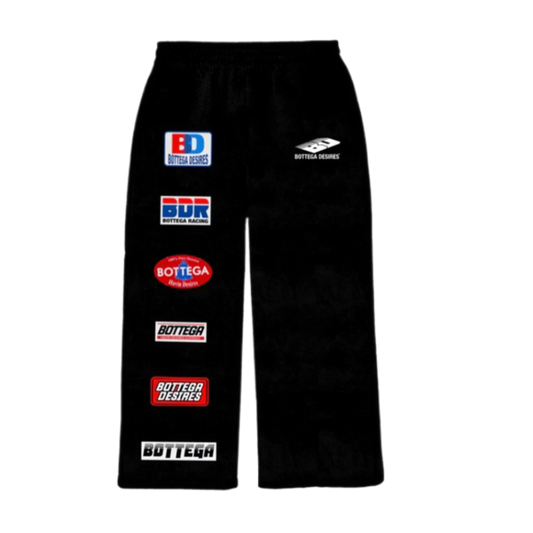
Reading a Bottega Desires Review With a Clear Eye
Any bottega desires review appearing online in 2026 should be read with the same level of skepticism used for any direct-to-consumer clothing label: check for agreement across several sources, not just a single testimonial. Feedback on casual apparel labels tend to group around three themes— sizing accuracy, material weight, and shipping experience. Those three factors matter more to loyal shoppers than promotional wording ever will.
One lone five-star review says not much on its own — a pattern across many reviews reveals a great deal more, which is why buyers ought to treat single reviews as evidence, not conclusions. When digging into bottega desires review content, it helps to look specifically at notes on size guides, since casualwear brands often run either accurate-to-size or a touch roomy, and the difference affects how a hoodie or short truly sits on the frame.
Review volume grows over time — this is worth remembering. A brand active for a few years will inevitably build more commentary than one still establishing its customer base, and while this hardly discredits early reviews, it does mean that data volume shapes how trustworthy any summary can be.
Distinguishing Bottega Desires from Bottega Veneta: Two Distinct Identities
The side-by-side of bottega desires vs bottega veneta comes up constantly, and it merits a straightforward, fact-based response rather than a dodge. Bottega Veneta is a premium Italian label established in 1966, based in Vicenza, globally known for leather goods, the intrecciato weave, and price points that routinely climb into the thousands of dollars for handbags and accessories. Bottega Desires sits in a completely separate market segment, built around casual streetwear — shorts, shirts, hoodies, jorts — at cost levels aimed at everyday apparel shoppers rather than luxury accessory buyers.
No relationship links the two, and shoppers looking up bottega veneta desires as a combined phrase are often trying to determine exactly that: whether the two names are connected between the two names. No such link exists, based on the category, pricing tier, and intended shopper each brand serves. Bottega Veneta works within high-fashion runway cycles and fine leather craftsmanship, while Bottega Desires focuses on casual apparel made for everyday wear.
The table below lays out the practical differences shoppers should take note of.
| Category | Bottega Desires | Bottega Veneta |
|---|---|---|
| Segment | Relaxed, casual apparel (shorts, shirts, hoodies, jorts) | High-end leather goods and designer apparel |
| Established | A newer brand from the streetwear era | Founded in Vicenza, Italy in 1966 |
| Standard Pricing Level | Everyday apparel pricing | Luxury pricing, often four figures |
| Core Customer | Casualwear and streetwear shoppers | High-end fashion and accessory shoppers |
| Ownership | Not tied to any larger group | Owned by Kering group |
This side-by-side makes the distinction clear: two brands sharing a naming echo but occupying wholly distinct niches of the fashion market. Buyers aware of this from the start can make sharper shopping decisions instead of mistakenly believing the two brands are linked.
What Shoppers in 2026 Should Take From This
For shoppers browsing in 2026, the key point is straightforward: Bottega Desires is a streetwear-focused brand building its own identity around shorts, shirts, hoodies, and jorts, not an offshoot of an Italian luxury house. That clarity matters when forming expectations around fabric, pricing, and overall positioning before checkout.
Buyers looking for streetwear basics — a hoodie for layering, a shirt for daily rotation, shorts or jorts for warmer months — are precisely the customer base this label targets. Those searching for structured leather goods or formal luxury pieces are simply in the wrong market segment, and neither brand is being criticized here; it just comes down to differing market segments.
As 2026 progresses and the casualwear space keeps growing, labels like Bottega Desires are likely to focus on refining their existing lineup rather than chasing a luxury identity that was never their aim. Knowing that distinction upfront helps shoppers form grounded expectations and make a buying choice based on evidence rather than guesswork drawn from a name that merely echoes another.